Obsidian & Flame red seal stamp

Japan Matsuri 2026 · Trafalgar Square

Matsuri Exclusives

An exclusive exhibition of our new collection. We are bringing pieces to Japan Matsuri that you will not find anywhere else — new work from our Japanese makers. Come and see us in the Square.

  • WhenSunday 4 October 202610am – 8pm
  • WhereTrafalgar SquareLondon WC2N 5DS
  • EntryFreeAll welcome

Japan Matsuri is the UK’s largest festival of Japanese culture and food, held in London every year since 2009 as a celebration of the bonds — 綠 kizuna — between Japan and the UK. japanmatsuri.com

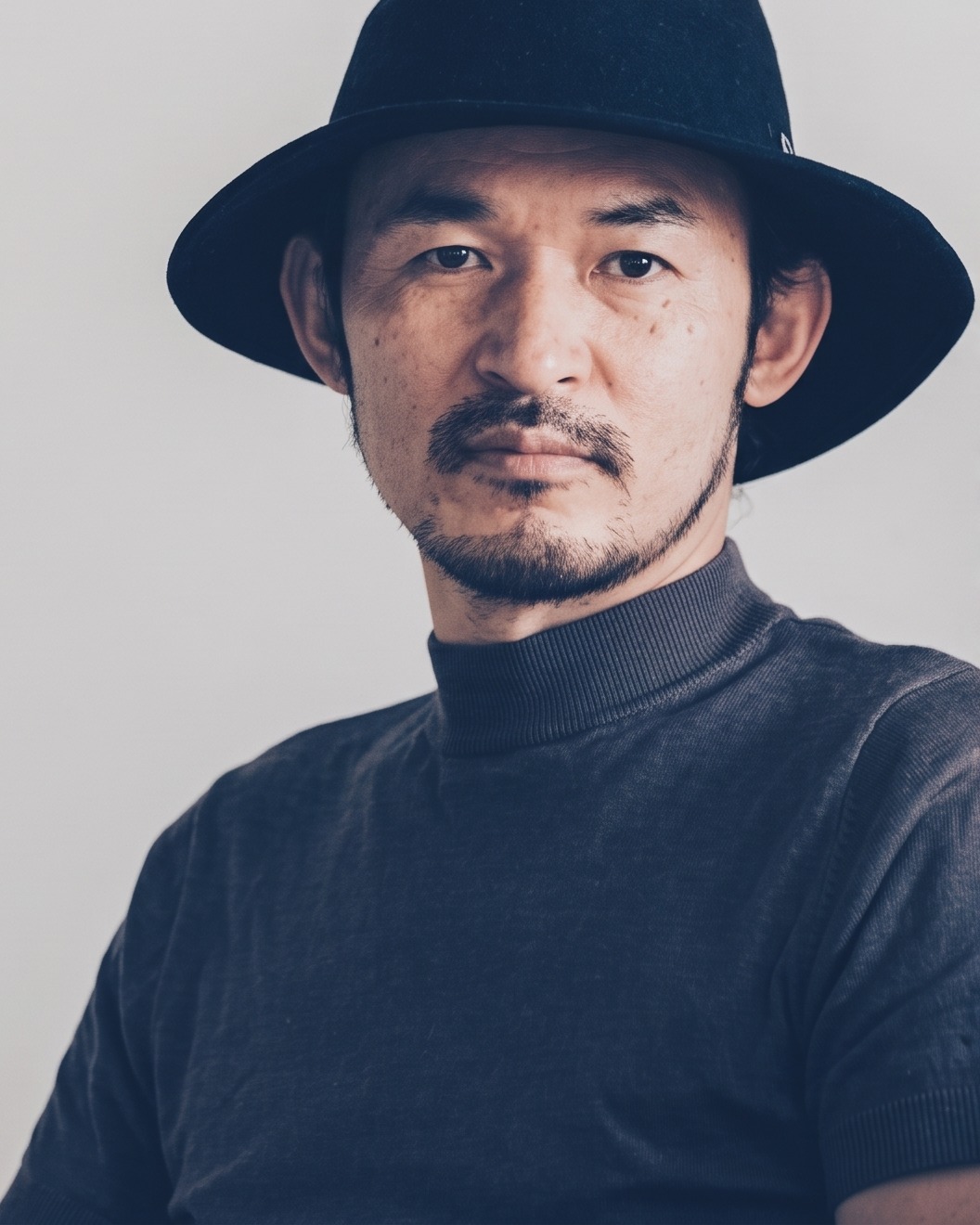
Keisuke “Lucky” Hatanaka in his Tokoname studio

Tokoname · Aichi

Keisuke “Lucky” Hatanaka

An exclusive new collection from a ceramic artist working in Tokoname, one of Japan’s Six Ancient Kilns and a city with roots in pottery going back nearly a thousand years. Lucky’s work sets traditional Tokoname clay and technique against lively, animation-inspired colour and imagery — a good reminder that Japanese craft isn’t frozen in the past. It is still being made, and still changing hands to a new generation of makers.
More about Lucky →

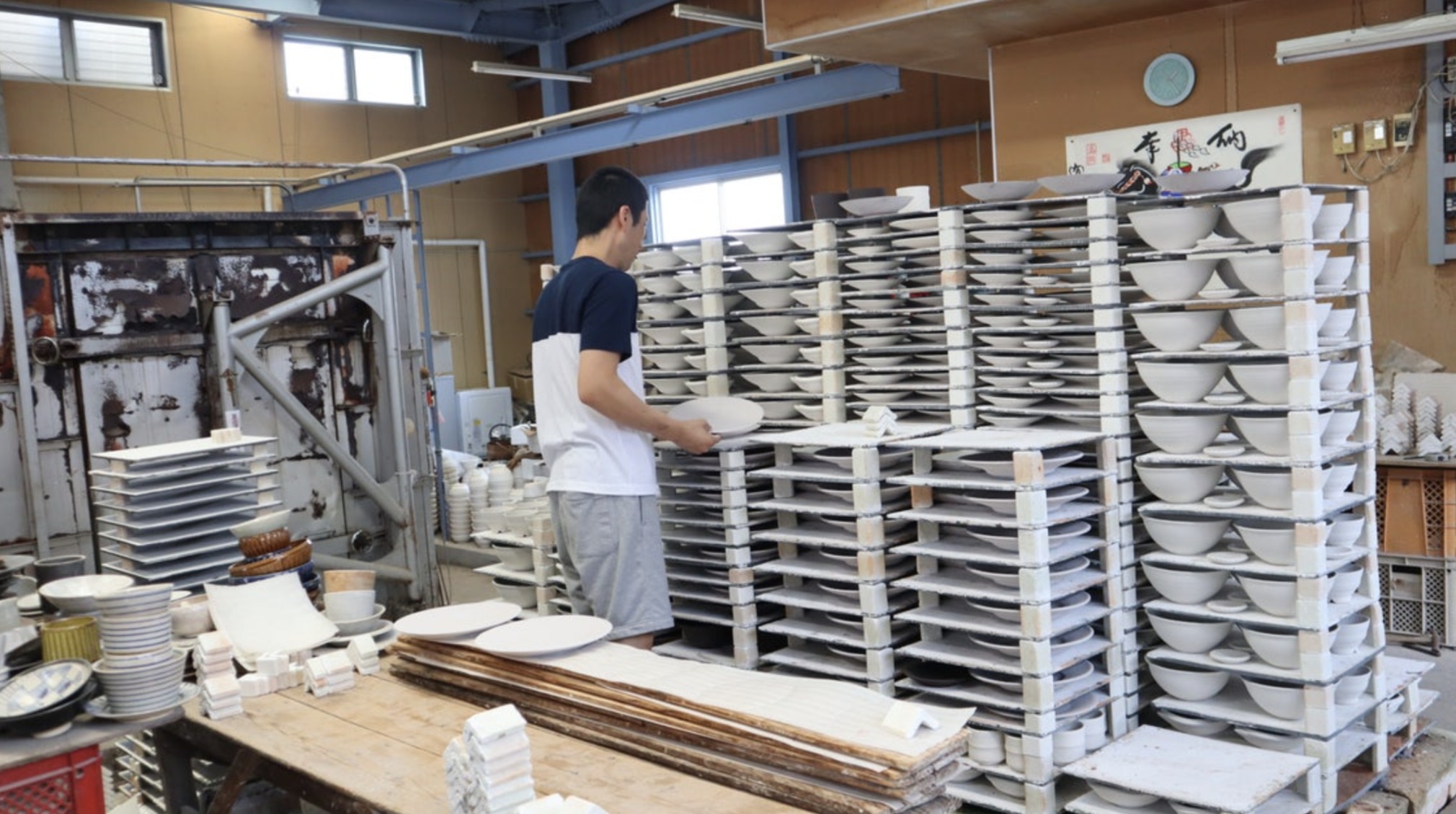
Stacked bowls drying in the Hyozangama workshop, Toki City

Mino Ware · Dachi-cho, Toki City, Gifu

Hyozangama Kiln

Hyozangama — Hyozan Kiln — works in Dachi-cho, Toki City, in the heart of Mino ware country, and is counted among the area’s representative potteries. What it is known for is tableware that slips easily into daily life: generations of local craft behind each piece, tuned to the way people actually eat today. Light in the hand, smooth at the lip, and shaped so that food looks its best on the plate. This is pottery built on yō no bi, the beauty of usefulness — the kind that earns its place by being used, and is as readily given as a gift as it is kept for the everyday table.

More about Hyozangama Kiln →

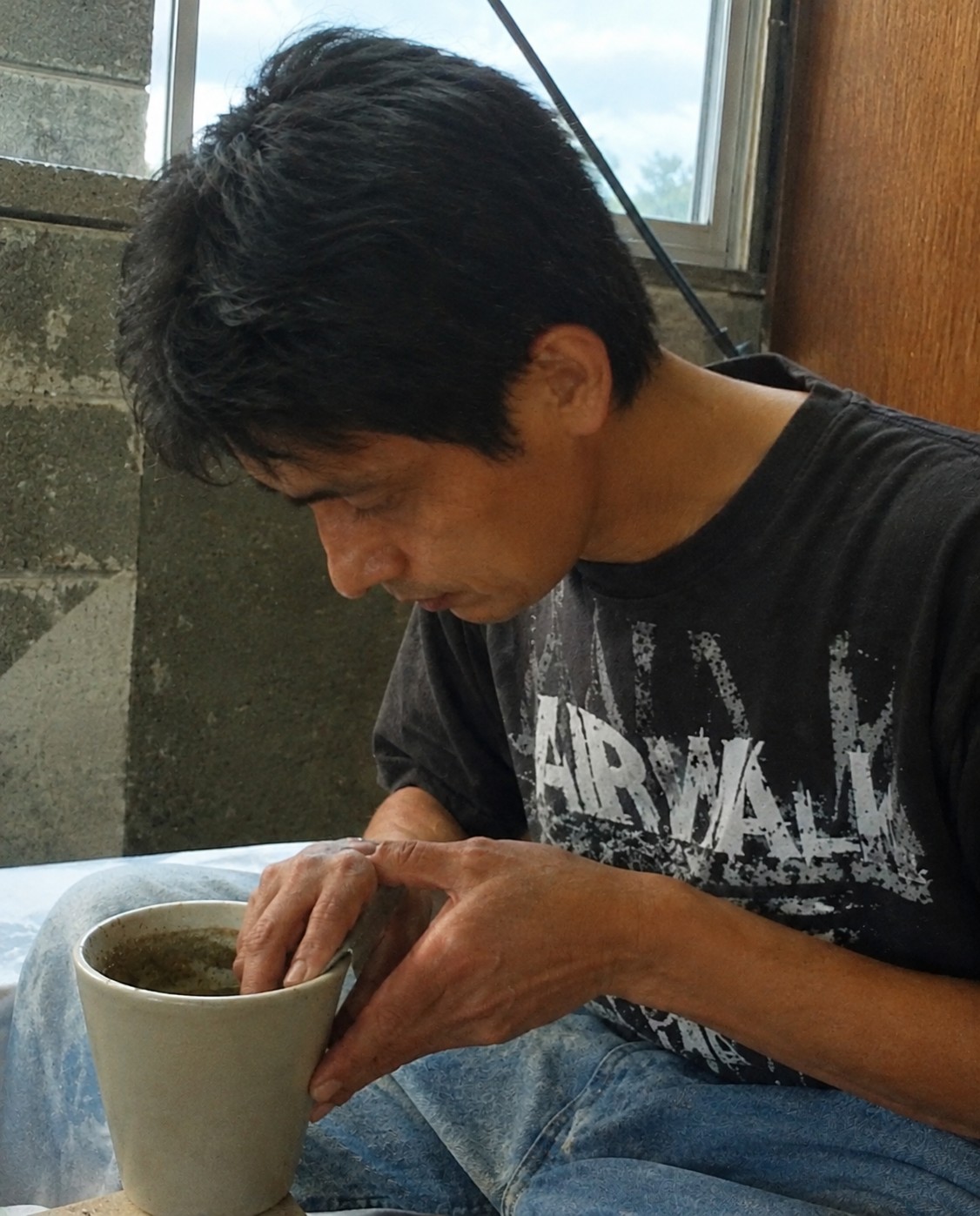
Masanori Tanaka at the wheel, Kitayama kiln

Kitayama Kiln · Toki City, Gifu

Masanori Tanaka

A third-generation master potter of the Kitayama Kiln (Kitayama-gama) in Toki City, Gifu Prefecture, known for his take on Oribe with its deep copper-green glaze, Shino in milky white, and the soft yellow of Ki-Seto — three of the great Mino tea-ware traditions.

More about Masanori Tanaka →

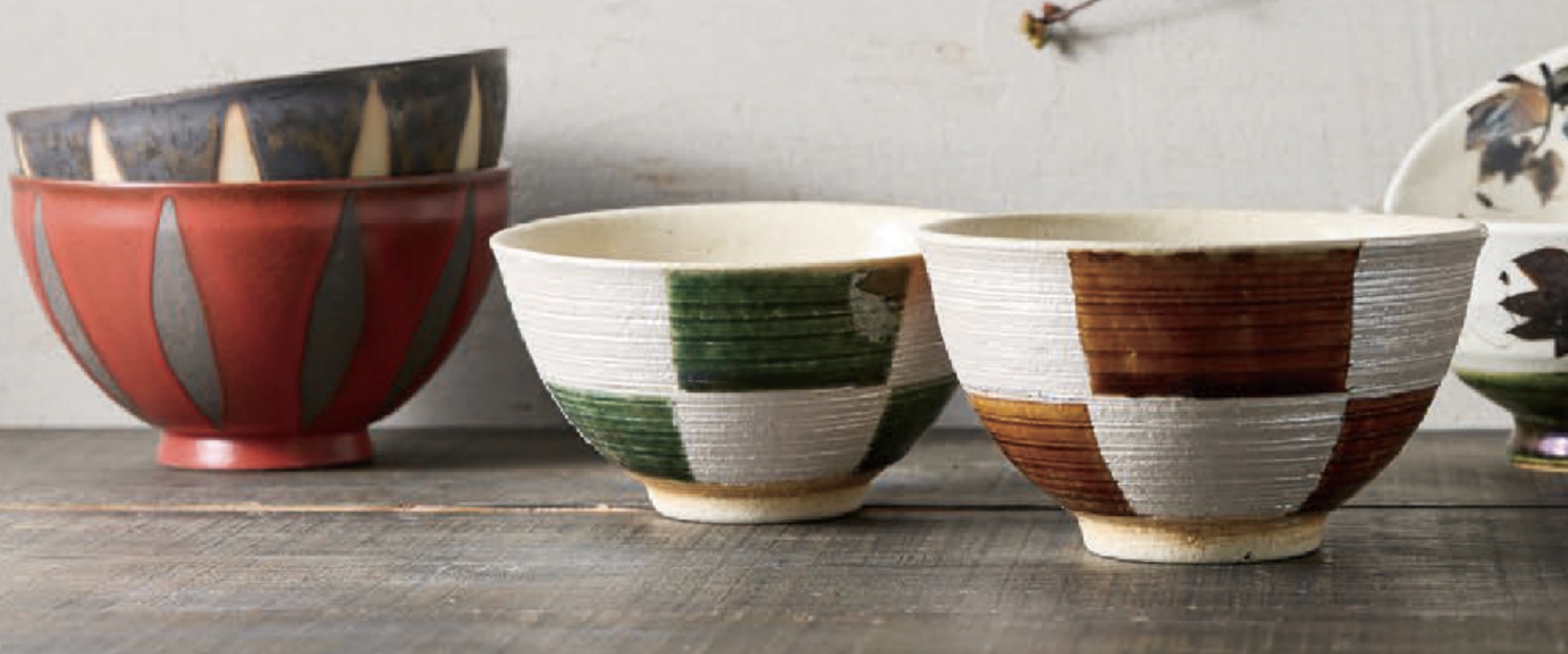
Rice bowls from Marukatsu’s Tōshōgama line

Mino Ware · Mizunami, Gifu

Marukatsu

Marukatsu began in 1966 as a small tableware business in Sue-cho, Mizunami, in the Mino ware country where pots have been made for some fifteen hundred years. The second generation, Katsunobu Ogiso, trained as a chef in French kitchens before taking over the family firm, and it shows: the house was rebuilt around a cook’s question — what does the vessel do for the food on it? Its Tōshōgama line puts traditional Mino technique behind deliberately modern shape and colour, and is used by chefs and table stylists across Japan.